



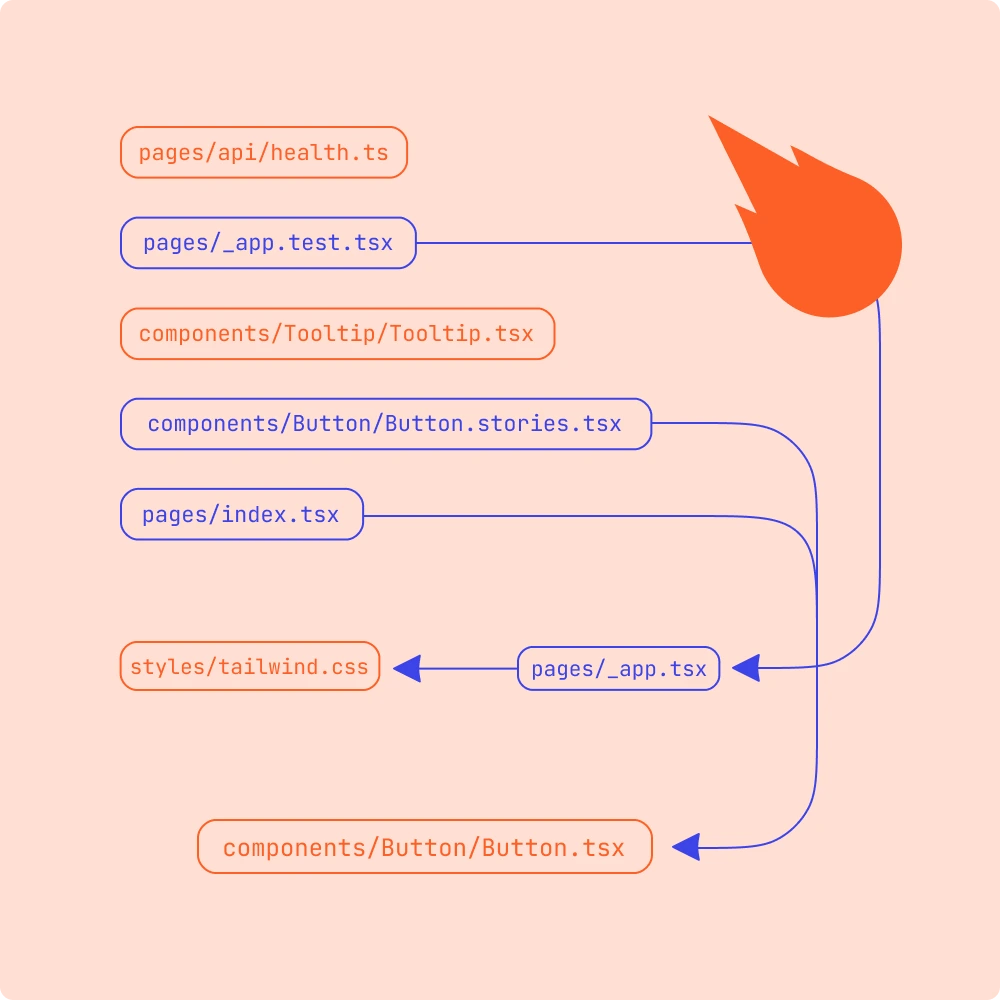
What it does?
What is the outcome?
Who is it for?
Next Enterprise prioritizes strategic simplicity for enterprise teams. Not minimal — strategic. Every included tool earns its place by solving a real problem that enterprise teams face repeatedly.
No experimental libraries. No trendy packages that disappear in six months. Just a streamlined foundation with high-impact features that maximize developer productivity from the first commit.
Code quality & consistency: ESLint 9 and Prettier are pre-configured with strict rules. Conventional commits are enforced. TypeScript runs in strict mode with ts-reset for safer type defaults. This isn't optional — enterprise codebases require consistency from day one.
Testing: Vitest handles unit and integration tests with React Testing Library. Playwright handles end-to-end testing. Both are configured, both have example tests, both run in CI. No setup required.
Component development: Storybook is configured for developing and documenting components in isolation. Radix UI provides accessible, unstyled primitives. CVA (Class Variance Authority) manages component variants cleanly.
Observability: OpenTelemetry integration is built in for production-grade tracing and monitoring. Kubernetes health check endpoints are configured. You can see what your application is doing from the moment it deploys.
Automation: GitHub Actions workflows track bundle size changes and performance metrics on every PR. Semantic Release automates versioning and changelog generation. Renovate BOT keeps dependencies current.
The template includes Terraform modules for deploying to AWS:
One-click Vercel deploy is also supported for teams that prefer managed infrastructure.
Every pull request automatically gets:
Merge to main triggers semantic versioning, changelog generation, and deployment. The entire pipeline works out of the box.
Step 1: Create your project
Use the GitHub template or one-click Vercel deploy to create your own repository. All tooling, configuration, and CI/CD pipelines come pre-configured.
Step 2: Install dependencies
Run corepack enable && pnpm installThe project uses Corepack and pnpm for deterministic, fast package management.
Step 3: Start developing
pnpm dev starts the Next.js development server. pnpm storybook launches Storybook. pnpm test runs Vitest. Everything works from the first command.
Step 4: Deploy
Push to GitHub and the CI/CD pipeline handles the rest. Or use the included Terraform modules to deploy your own AWS infrastructure.
Next Enterprise is the boilerplate we build every enterprise project on. 7,300+ GitHub stars and 1,900+ forks from teams who are tired of spending their first sprint on tooling configuration instead of building features.
Every tool is chosen from experience building Next.js applications for enterprise clients — the same experience behind 70% performance improvements, 4x development velocity gains, and zero-regression track records spanning 18+ months.

Test our OSS libraries, check our partners, talk to our clients—before you commit.

100% Next.js. Enterprise-grade. Frontend, infrastructure, architecture.

Engineers who think like owners. Proactive, accountable, quality-obsessed.

We build your capability, not your dependency.