

Your markets run on separate codebases, separate deploys, separate bugs. We unify them into one Next.js architecture.









Multiple brands or regions at scale? Fragmentation multiplies fast.
These issues probably look familiar.
Same component, same layout, same bugfix, rebuilt for each brand or region. Engineering effort multiplies with every market. The codebases drift apart.
Launching a new region means forking a codebase, configuring from scratch, and debugging differences nobody documented. What should take weeks takes months. Expansion stalls.
Hreflang tags wrong or missing. Sitemaps differ per region. Crawl equity that should flow between markets disappears. Rankings drop where you're not watching.
Different codebases, different rendering strategies, different caching. Google tracks performance regionally and adjusts rankings per market. Some regions lose visibility quietly.
Multi-market doesn't have to mean multi-codebase. Here's what changes when the architecture is designed for expansion from the start.

Most multi-market platforms weren't designed to be multi-market. They started as one site, got forked, and kept forking. The fragmentation is structural.
Single Next.js architecture. Shared components, per-market config, centralized content delivery. New markets plug in.


%202.svg)
%202.svg)


12-hour response time. We'll tell you what's worth building before you commit.
The problem changes from project to project. The process doesn't. Expand each step to see what it looks like in practice.

One Next.js application serving multiple brands and regions. Routing, theming, and content are market-aware. ISR and edge caching keep performance consistent regardless of region.
i18n routing, locale-aware rendering, RTL support, currency and date formatting. Planday had 8 language versions drifting apart. We unified them with locale as a content layer, not a code fork.
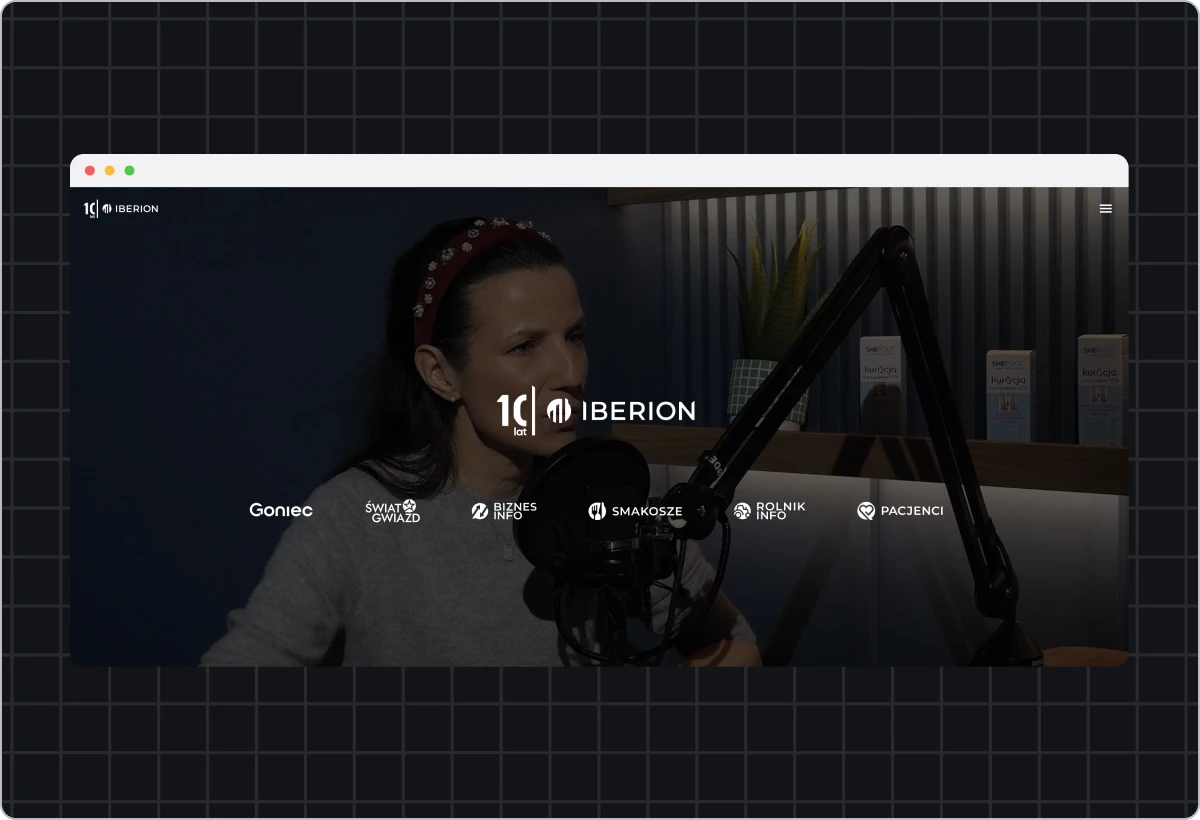
Content structured once, localized per market, published independently. Iberion's editorial teams publish across 15 portals from a single CMS. We integrate Contentful, Hygraph, or Builder.io depending on workflow.
Hreflang tags generated from locale config. Sitemaps per market, auto-generated. Crawl budget managed at the platform level. Iberion went from SEO penalties under WordPress to perfect technical scores after migration.
One component library with brand-specific tokens for color, typography, and spacing. Each brand looks distinct. Engineers maintain one set of components.
We move markets one at a time, validate per region, keep everything live. Iberion's 15 portals migrated to headless with zero downtime.


You build it once and configure it per brand and region, instead of maintaining separate sites. We unify fragmented multi-market frontends into a single Next.js platform – one codebase serving every brand and every region, with shared components and built-in localization.
The bottleneck is usually a per-market codebase that has to be rebuilt every time. We consolidate on one platform where a new market or brand is a configuration – so launches go from months to days. Multi-region infrastructure and CDN keep it fast everywhere.
A shared component library and design system keep every brand consistent, while per-brand theming and content let each stay distinct. One codebase means a fix or feature ships to every brand at once, instead of being reworked site by site.
We build i18n into the platform – routing, content, and formatting per locale – and pair it with a headless CMS so local teams manage their own content. That keeps translation and regional updates out of engineering's queue.
Describe your project and an architect will get back with a straight take on what's worth doing and where to start. 12-hour response time.